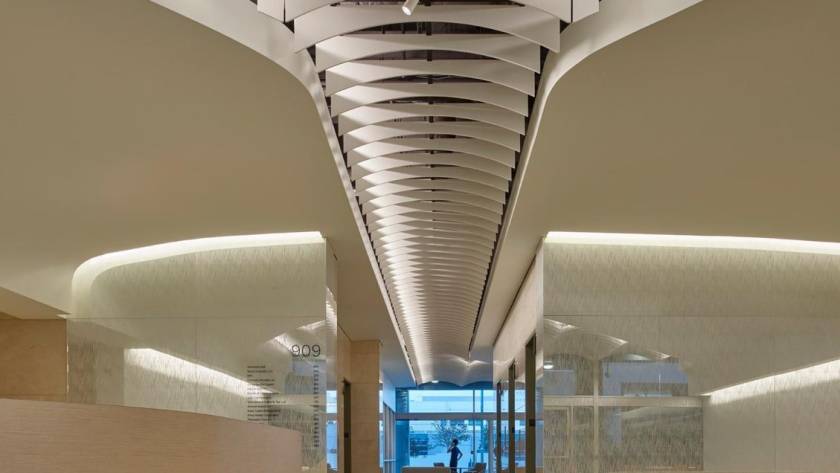
Older buildings often possess architectural charm, historical significance, and solid construction, but many were designed long before today's energy efficiency standards, building technologies, and sustainability goals existed. Aging mechanical equipment, outdated electrical systems, inefficient plumbing infrastructure, and inadequate ventilation can increase operating costs, reduce occupant comfort, and make it difficult for owners to meet modern…
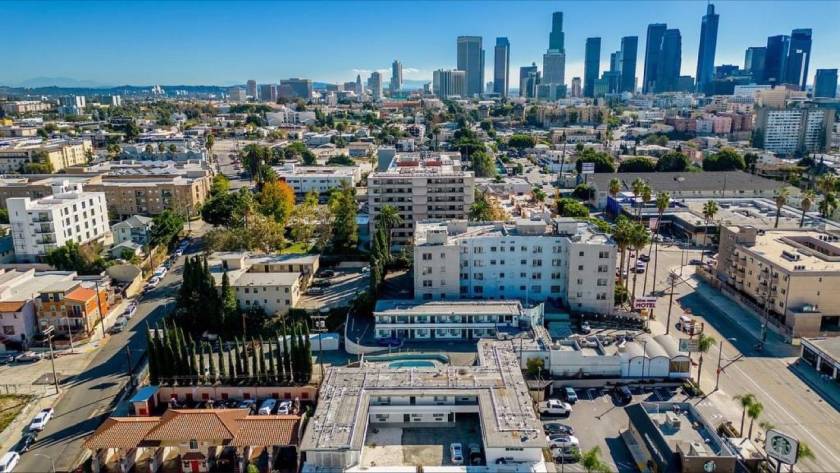
Electrical safety is one of the most important responsibilities for any facility that operates medium- or low-voltage power systems. Whether it is a manufacturing plant, hospital, commercial office, educational campus, or data center, electrical equipment presents inherent risks that must be carefully managed. Among the most dangerous electrical hazards is an arc flash—a sudden release…
Modern industrial facilities depend on reliable electrical power to maintain productivity, protect equipment, and ensure safe operations. Manufacturing plants, processing facilities, warehouses, data centers, and large commercial buildings all rely on increasingly sophisticated electrical systems that power automation equipment, variable frequency drives, robotics, computer-controlled machinery, and other advanced technologies.
While these technologies improve efficiency and…
Electrical systems are the backbone of modern commercial, industrial, and institutional facilities. From lighting and HVAC equipment to production machinery, data systems, elevators, medical devices, and emergency power, nearly every critical operation depends on reliable electricity. When an electrical fault occurs, the way the system responds can determine whether the issue remains isolated—or turns into…
Older buildings often carry a unique charm and historical value, but many of them were constructed long before today’s energy standards, sustainability goals, and advanced building technologies existed. Aging HVAC systems, outdated electrical infrastructure, inefficient plumbing layouts, and poor insulation can lead to high operating costs, excessive energy consumption, and ongoing maintenance challenges.
As property…
As the demand for sustainable and energy-efficient buildings continues to rise, developers and property owners are increasingly exploring innovative ways to reduce energy consumption and lower operational costs. Among the most promising technologies available today are geo exchange and geothermal systems—two approaches that harness the earth’s natural thermal energy to provide efficient heating and cooling.…
In today’s construction industry, building performance is no longer measured solely by how a structure looks or how quickly it is completed. Instead, long-term efficiency, reliability, and operational cost have become the defining factors of a successful project. This is where MEP engineers play a crucial role.
Mechanical, electrical, and plumbing (MEP) systems are responsible…
As development continues to expand across Southern California, cities like Burbank are seeing an increase in commercial construction, infrastructure upgrades, and tenant improvements. With this growth comes a rising need for precise planning—especially when it comes to utility systems. From electrical and water lines to telecommunications and drainage, utility coordination plays a critical role in…
In today’s fast-paced construction environment, the success of any commercial or industrial project depends heavily on the quality of its engineering systems. Mechanical, electrical, and plumbing (MEP) systems are the backbone of modern buildings, ensuring comfort, safety, efficiency, and long-term performance. Choosing the right engineering partner is not just a design decision—it is a strategic…
As construction projects across Southern California grow more complex, 3D design coordination has become an essential part of delivering efficient, high-performing buildings. From commercial office spaces and healthcare facilities to mixed-use developments and tenant improvements, project teams now rely on digital coordination to prevent costly conflicts and streamline construction.
For developers, architects, and contractors searching…
Commercial development in Southern California demands precision, coordination, and expertise—especially when it comes to utilities. From electrical distribution and underground infrastructure to water, sewer, and telecom systems, utility work is one of the most complex components of any commercial project. Without proper planning and coordination, even minor conflicts can cause major delays and cost overruns.…
Modern construction and infrastructure projects demand more than strong design—they require precise planning, accurate reporting, and seamless coordination between utilities, engineers, and project teams. That’s why Utility Coordination in Pomona plays a vital role in keeping developments on schedule, compliant, and cost-efficient.
From early-stage feasibility to final approvals, structured coordination helps reduce conflicts, prevent costly…